

Team
2 members

Timeline
3 months

Country
United Kingdom

Industry
Fintech
About Project
Who Was the Client?
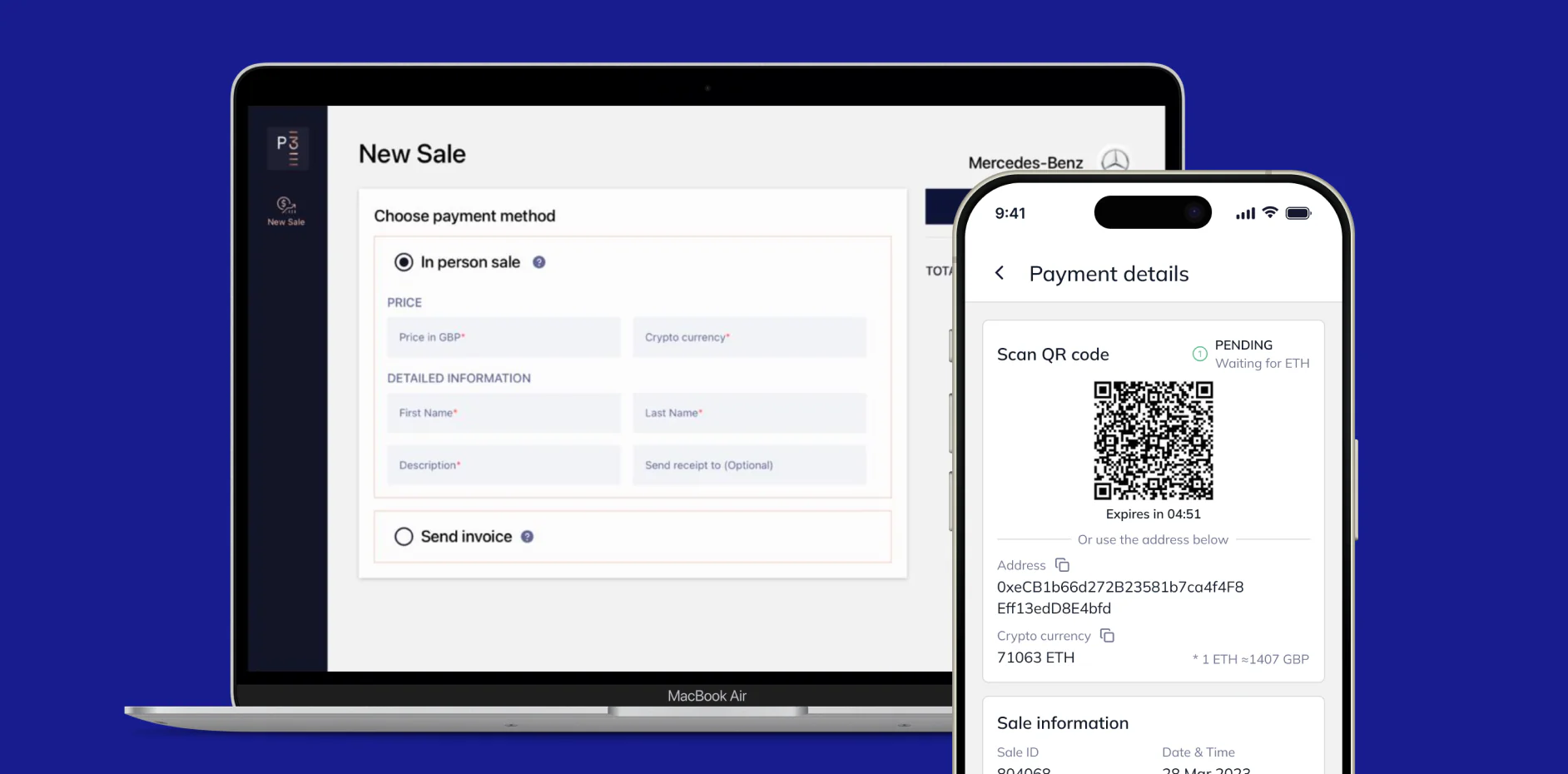
A UK company behind CryptoSwift, a payment platform for merchants. A merchant can accept payment in cryptocurrency and receive the money in regular currency (GBP, USD or EUR) in their bank account. The platform handles the conversion and the compliance checks, so the merchant does not have to deal with crypto directly.
What Was the Client's Request for Collaboration?
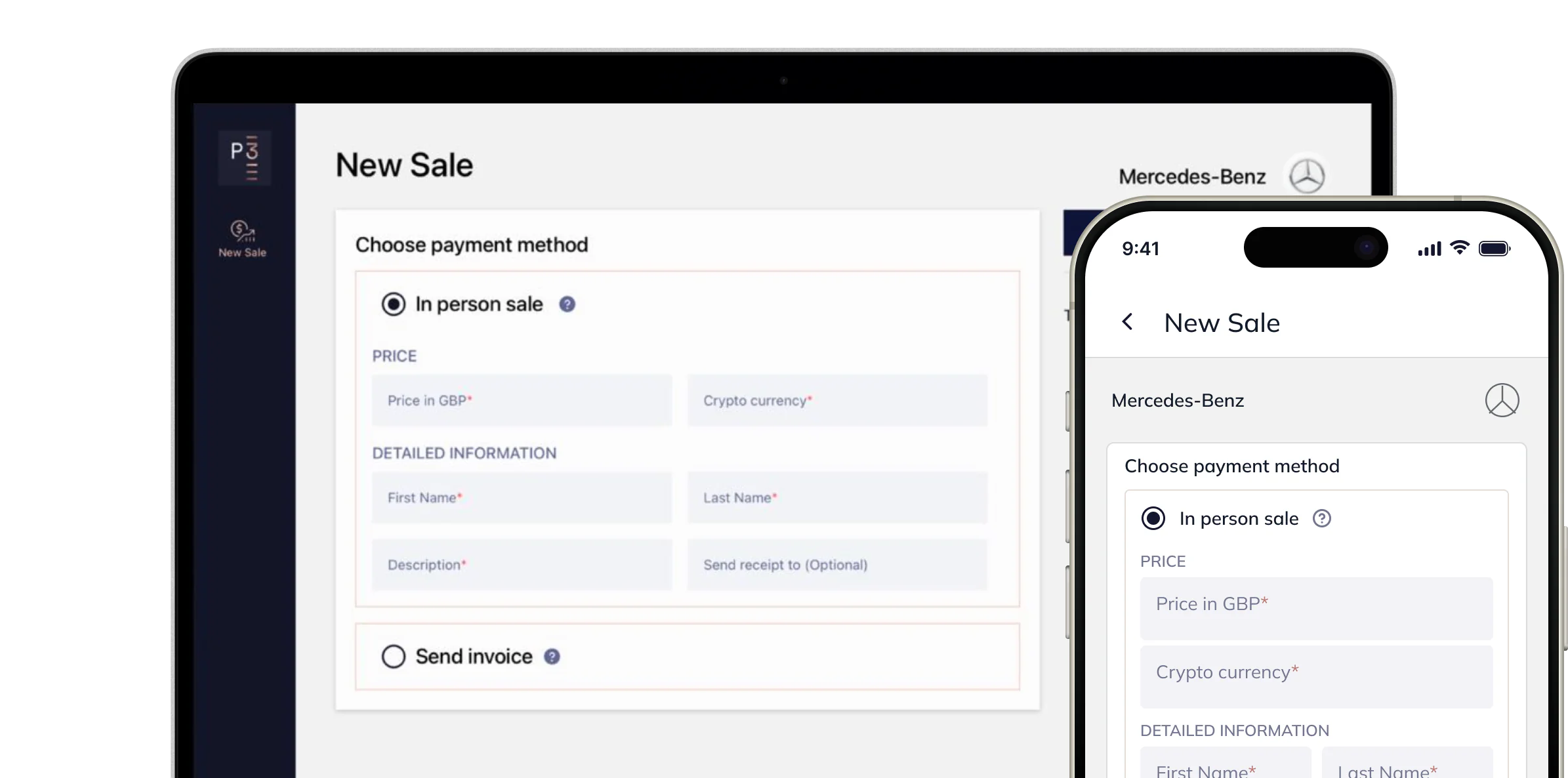
The client wanted one app that works in a web browser, on iOS and on Android. They arrived with finished Figma designs and a backend built by their own team, and needed a team to turn them into a working app.
We took on the full frontend: building every screen from the designs and connecting it to the client's backend.
What Is the Client's Bigger Business Goal?
The platform is built for high-value merchants. The business goal was to:
- Give merchants an easy way to accept crypto and be paid in fiat currency
- Reach those merchants on whatever device they use: browser, iPhone or Android phone
- Do it with one product, not three separate ones to build and keep in step
At What Stage Was the Client's Project?
What the client had:
- Finished Figma designs for the app
- A backend built by the client's own team
What was missing:
- The app itself on web, iOS and Android
- A single approach to cover all three platforms
What Was the Expected Outcome?
- A complete frontend for the platform on web, iOS and Android that matches the client's approved designs screen by screen
- One shared React Native codebase behind all three platforms, so every update reaches web, iOS and Android at once
- The same look and behavior for merchants whichever device they open the app on
- A reliable connection to the client's backend
How Was the Result Measured?
- Development time: 3 months saved by building web, iOS and Android from one React Native codebase instead of three separate apps
- Platform coverage: the same app delivered on web, iOS and Android, with one set of code to maintain
- Deadline: the work was delivered on time
How Did the Collaboration Work?
We started from the client's Figma designs and agreed to build the frontend as a single codebase for all three platforms. We then built the screens from that one base and connected them to the client's backend.
Challenges
Backend responses that did not always work correctly
The app takes its data from the client's backend, and at times the backend returned errors. On screen, a backend error looks like a problem in the app, so the client's team could end up searching for the cause in the wrong place.
Solution: While building the frontend, we traced each of these errors to its source in the backend and passed it to the client as a bug report. The client's team knew exactly where the problem was and what to fix on their side.
Achievements
How Did We Add Value Beyond Delivery?
One codebase instead of three apps. The client asked for web, iOS and Android. We built them from a single codebase, so a fix or a new screen is made once and shows up on every platform.
What Was the Result?
Before:
- Finished Figma designs and a backend, waiting to become an app
After:
- One app that runs on web, iOS and Android from a single React Native codebase, saving an estimated three months of development
- Delivered by the agreed deadline
Tech Stack

React Native

React Native Web

TypeScript

TanStack Query

Node.js
Flow
Build
Built every screen from the client's Figma designs in one codebase
Connect
Connected the app to the client's backend
Diagnose
Traced any backend errors to their source and reported them to the client
Deliver
Delivered web, iOS and Android on the agreed deadline
Team

1 Front end

1 Project Manager
case studies
Real projects, real results. We take complex challenges and turn them into working solutions that drive business forward.